



The Connection Between Slab Leaks and Water Bills Increases
How Arlington Homeowners Can Spot a Potential Slab Leak With Their Water Bill
How Arlington Homeowners Can Spot a Potential Slab Leak With Their Water Bill
You open your water bill, and the number stops you cold. It’s higher than usual, noticeably higher, and you can’t figure out why. Your habits haven’t changed. You haven’t filled a pool or run extra irrigation at your Arlington property. Everything looks normal on the surface. So where is all that water going?
In some cases, the answer is beneath your feet – literally. A slab leak is one of the most common and most overlooked causes of unexplained water bill spikes in the Arlington area. It’s a problem that’s easy to miss because the damage happens out of sight underground, until it becomes serious enough to show up in other ways.
If your water bill has jumped without explanation, this is what you need to know.
Pretty sure you have a slab leak? Schedule now for 10% off your first service!
What is a Slab Leak?
Most homes in the Arlington, TX area are built on a concrete slab foundation. Running beneath that slab, and sometimes through it, is a network of water supply lines and, in some cases, drain lines. When one of those pipes develops a crack, hole or joint failure, water escapes continuously into the surrounding soil or concrete. That’s a slab leak.
Because these pipes are buried under several inches of reinforced concrete, the leak is completely hidden from view. Unlike a broken faucet or leaking pipe under a sink or a visible drip from a fixture, a slab leak gives you almost nothing to see. The water just keeps running, and your meter keeps spinning.
What Causes Slab Leaks?
Slab leaks don’t happen overnight. They typically develop over time due to several factors, and DFW metro homes face unique challenges that include hard water, soil conditions, soil movement, foundation movement and temperature swings that can stress the home’s foundation and plumbing system.
- Corrosion. Older copper pipes are especially vulnerable to corrosion from soil chemistry, water chemistry or simple age. As the pipe walls thin, they eventually fail, so upgrading older pipes can lower future slab leak risk.
- Abrasion. Pipes that run through or against concrete can develop wear points over time as the home settles and the pipe rubs against rough surfaces.
- High water pressure. Consistently elevated water pressure puts stress on pipes and joints, accelerating wear and increasing the risk of failure. Installing pressure regulators or shutoff valves can help protect against excessive strain.
- Ground movement and shifting. North Texas soil expands and contracts with moisture changes, and that movement can stress underground pipes over time. Maintaining consistent moisture around the foundation can reduce shifting and help protect against slab leaks.
- Poor installation. Pipes that were kinked, improperly joined or under-supported during original construction are more likely to fail earlier.
Connecting Slab Leaks to Your Water Bill
Here’s the key thing to understand: a slab leak doesn’t turn off. Unlike a faucet you can shut or a toilet you can stop running, a pipe leaking beneath your foundation runs 24 hours a day, 7 days a week. Even a small leak — a pinhole — can release thousands of gallons of water per month before it’s ever detected.
When a slab leak is present, your water meter registers every gallon lost underground as usage, because as far as your supply system is concerned, it is used. The water left your main line. The fact that it never reached a faucet or showerhead doesn’t change the reading.
What Does a Slab Leak Water Bill Look Like?
There’s no single dollar amount that signals a slab leak, because several factors are involved. However, the most common water bill indicators of a slab leak include:
- A sudden, unexplained jump in your bill from one month to the next with no change in household behavior
- Consistently elevated bills over several months that you’ve been unable to explain
- A bill that keeps climbing month over month with no corresponding increase in water usage
Hidden leaks behind walls or under floors, toilet leaks and dripping faucets are also common reasons a high water bill appears unexpectedly. It’s why a licensed plumber should inspect the system to correctly diagnose a plumbing issue.
The tricky part is that a gradual increase can be easy to rationalize as seasonal changes, a guest visiting, an extra load of laundry. But if you’re looking at your bill and genuinely cannot account for the difference, a slab leak could be the reason.
Other Signs You May Have a Slab Leak
A higher water bill is often the first sign of a slab leak, but it’s rarely the only warning sign. As the leak continues, other symptoms typically emerge:
Warm or hot spots on the floor. If your slab leak involves a hot water line, the escaping water heats the concrete above it. You may notice warm spots on tile or hardwood flooring, even with no obvious cause.
The sound of running water. If you can hear water moving through your home when no fixtures are on, that sound may be coming from a leak beneath the slab. Hearing it when all fixtures are turned off often points to a hidden leak in the plumbing system.
Cracks in walls or flooring. As water saturates the soil under your foundation, it can cause shifting and settlement that shows up as new cracks in your walls, floors or foundation itself. These problems are often left undetected until the leak has been active for some time.
Damp or wet flooring. In more advanced cases, water can seep up through the slab and appear as moisture, warping or soft spots under carpet or flooring. Damp spots on concrete are another visible sign.
Mold or mildew odors. Prolonged moisture beneath your home creates conditions for mold growth, which can produce musty odors even when you can’t see visible damage.
Low water pressure. A significant leak can reduce the pressure available to your fixtures, leaving you with a noticeably weaker flow from faucets and shower heads.
If you’re experiencing any combination of these signs alongside an unexplained water bill increase, the likelihood of a slab leak is high enough to warrant a professional inspection before it causes water damage or other significant damage.
How a Slab Leak is Inspected
Because slab leaks are buried under concrete, detection requires specialized equipment and training. This isn’t a job for a garden-variety plumber or a DIY approach. Professional slab leak detection typically involves one or more of the following methods:
Pressure Testing A plumber will shut off all water in the home and pressurize the supply lines to check whether they hold pressure. After all fixtures are turned off, continued movement at the water meter helps verify a pressurized leak. A drop in pressure confirms that water is escaping somewhere in the system, pointing toward a leak.
Electronic Listening Equipment Trained technicians use sensitive acoustic listening devices to detect the sound of water escaping through a pipe crack or joint failure. By moving the device across the floor, they can pinpoint the approximate location of the leak based on where the sound is loudest.
Thermal Imaging Infrared cameras detect temperature differences in flooring and walls. Where a hot water line is leaking, the surrounding concrete and floor surface will be measurably warmer, showing up on a thermal scan as a heat signature.
Video Camera Inspection In some situations, a small camera can be run through accessible sections of the pipe system to visually identify damage, deterioration or the specific location of a failure point.
Using these methods together, our licensed plumbers in Arlington can quickly identify hidden leaks with expert services, then recommend reliable solutions while minimizing guesswork and reducing the amount of concrete that needs to be disturbed for repair.
Slab Leak Repair Options
Once a leak is located, there are several slab leak repair approaches available depending on the location of the leak, the age and condition of the pipes and the extent of the damage.
Direct Access Repair (Spot Repair) For a single, well-defined leak, the most direct approach is to cut through the concrete above the leak, expose the damaged section of pipe and repair or replace it. This method is effective for isolated failures but does require breaking through the slab and patching the concrete afterward.
Pipe Rerouting Rather than accessing the pipe beneath the slab, a plumber can reroute the affected line through the walls, attic or another accessible pathway, bypassing the underground section entirely. This approach avoids significant concrete work and is often preferred when the damaged section is difficult to access or when the pipe is old enough that future leaks in adjacent sections are likely.
Pipe Lining (Trenchless Repair) In some cases, epoxy pipe lining can be applied from the inside of the existing pipe, sealing the leak without removing or replacing the pipe itself. This trenchless method involves minimal disruption and is a good option when the pipe is structurally sound except for the leak point.
Full Repipe When pipes are extensively corroded, have experienced multiple failures or are at the end of their useful life, a full repipe may be the most cost-effective long-term solution. Replacing the entire supply system eliminates the cycle of repeated repairs and gives the home a fresh plumbing infrastructure.
We’ll walk you through which option makes the most sense for your specific situation, weighing the cost, the disruption, the age of your plumbing and the likelihood of future issues.
Don't Wait — Slab Leaks Only Get Worse Over Time
Slab leaks are not a “watch and wait” situation. Left unaddressed, they cause escalating damage by eroding soil beneath the foundation to settlement and structural cracking, prolonged moisture creates mold conditions and water-damaged flooring and walls add significant restoration costs on top of the plumbing repair itself. The longer a slab leak runs, the more expensive the total fix becomes.
If your water bill has increased without explanation, or if you’re experiencing any of the warning signs described above, having your home inspected promptly is the smartest move you can make.
Have Made's Plumbing Perform Slab Leak Detection and Repair at Your Arlington, TX Residence
Slab leak service is advanced plumbing work. It requires the right equipment, the right training and the experience to interpret what the diagnostics are telling you and recommend the right repair approach.
Made’s Plumbing serves homeowners throughout Arlington, TX area with professional slab leak detection and repair services that pinpoint the leak’s location and restore your water system to full working order.
Call Us At 817-962-2257 | Schedule an Inspection Online
FAQs: Arlington Emergency Plumbing Repairs
Find Out What You Need to Know About Professional Plumbing Services For Emergency Repairs
It’s important to have a trusted plumber that you can call at any time because you never know when a plumbing emergency will happen. And there are a number of situations that are true emergencies that can do serious damage to a home and endanger people. What are those situations? Get the answer to that and many other emergency plumbing questions in this comprehensive FAQ.
General Emergency Plumbing Repair FAQs
A plumbing emergency includes burst pipes, major leaks, sewage backups, overflowing toilets, loss of water, or any issue causing immediate property damage or safety concerns. If a tank or tankless water heater stops working that isn't considered a true emergency plumbing service. Hot water heater repairs need to be addressed quickly, but as long as you still have a water supply it's not an immediate need.
Yes, they can be. Many plumbing emergencies can cause structural damage, mold growth, electrical hazards, and health risks if not addressed quickly.
FAQs For Common Plumbing Emergencies
Turn off your main water supply immediately. Also, shut off electricity in affected areas if it's safe to do so, and call an Arlington plumber right away.
Immediately turn off the water supply valve behind the toilet. Also, avoid flushing it again. Call a plumber for toilet repair if it continues to overflow.
Sewage backups are usually caused by severe clogs, tree root intrusion, or main sewer line damage. All of these situations require immediate professional service.
Check your main shutoff valve and contact a plumber immediately, as this could indicate a serious leak or supply line issue.
FAQs About Service & Response For Emergency Plumbing Problems
Response times vary, but Made’s Plumbing prioritizes emergency calls and strives to provide fast, same-day service whenever possible.
Typically, yes. Many plumbers offer emergency services outside of normal business hours, including nights, weekends, and holidays because we understand plumbing emergencies can happen at any time.
Repair time depends on the issue, but many emergencies can be stabilized within a few hours to prevent further damage. For example, fixing an exposed pipe that has burst is quicker than having to perform water leak detection and sewer line repair. Sewer line replacement can require more time.
Emergency Plumbing Repair Cost and Prevention FAQs
Emergency services may cost more due to urgency and after-hours service calls. However, immediate repairs can prevent more expensive damage, so it's worth it to get an emergency plumber onsite quickly.
Regular maintenance, inspections, and addressing minor issues early can significantly reduce the risk of major plumbing emergencies.
Shut off the main water supply if possible, then avoid using plumbing fixtures before contacting a licensed plumber immediately.
FAQs About Made's Emergency Plumbing Services in Arlington, TX
Our plumbing company provides a wide range of emergency plumbing services in Arlington, TX, including burst pipe repair, severe leak repair, clogged drain emergencies, sewage backups, water heater failures, and urgent plumbing repairs. While at your property we can also do a full plumbing system inspection to look for other issues that could become an emergency, and provide essential maintenance like drain cleaning to prevent future problems.
Yep. Made’s Plumbing offers prompt, reliable emergency plumbing service in Arlington, TX and can often respond the same day to urgent situations.
You bet we do! Made’s Plumbing is a premier service provider for homeowners throughout Arlington, TX. We're located right here in the city, which makes it easy for us to get to an emergency plumbing job quickly.
Still have questions about plumbing system emergencies? The team at Made's Plumbing can answer any questions that Arlington homeowners have about their home's plumbing system.
You can also call us to schedule services for plumbing diagnostics and maintenance to prevent issues from becoming emergencies.
Contact Made’s Plumbing right away if you experience emergency plumbing issues in Arlington.
Drop Us a Line!



TRUSTED ACROSS THE DFW AREA
A company built on trust and values
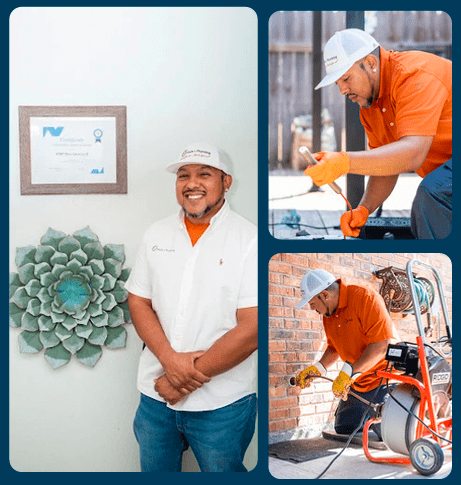

Trusted plumbing
services with care.
Our commitment to building trust and treating customers like family is what sets us apart. When you choose us, you’re not choosing just a plumber. We believe in delivering more than just expert plumbing services – we strive to provide a personalized experience for every customer. From the moment you contact us, our friendly team is dedicated to understanding your specific needs and providing solutions.