



How Plumbers Detect Slab Leaks Without Destroying Your Floors
Work With a Plumbing Company That Gets a Clogged Drain is a Business Problem
When homeowners hear “slab leak,” the fear of crews ripping up flooring often follows immediately. It’s not entirely unfounded. Some plumbers in Arlington, TX do use destructive methods to locate leaks beneath a concrete slab. But that approach says more about the limitations of the plumber than about slab leak detection itself.
Modern technology has made it entirely possible to locate and repair a slab leak with precision without breaking a single tile. The right equipment, in trained hands, can pinpoint a leak beneath a concrete foundation to within inches of the location without causing significant damage to your home in the process. Here’s how it’s done!
Why Some Plumbers Still Damage Floors
Not every plumbing company in Arlington invests in specialized tools like acoustic listening devices, thermal imaging cameras, and tracer gas systems that are used to detect hidden leaks accurately. Without this equipment, a plumber has limited options for finding a water line leak non-invasively. If they can’t hear it, see it thermally, or trace it electronically, opening the floor becomes their only path forward.
This is a resource limitation, not a necessity. And detection equipment alone isn’t enough, either.
Reading acoustic data and thermal imaging output requires real experience. Arlington plumbers who perform slab leak detection regularly develop the pattern recognition that’s needed to find leaks efficiently. Those who rarely perform the service may substitute labor for skill when results aren’t immediately clear, leading to floor damage that a more systematic, multi-step process would have avoided entirely.
Non-Destructive Slab Leak Detection Methods
What should a plumber do to find a slab leak without damaging the floor? There are a variety of slab leak detection methods that can be used to get the job done without creating damage.
Pressure Testing
Pressure testing is the logical first step. It doesn’t locate the leak, but it confirms one exists and identifies which water lines (hot or cold) are affected. Common signs that prompt the call often include a rising water bill and lower water pressure. Both are early warning signs of trouble.
The process involves shutting off all water outlets and pressurizing the plumbing system with water or inert gas. If pressure drops, water is escaping, often from water pipes beneath the concrete slab. A pressure gauge connected to a faucet monitors any pressure loss during the leak detection test. By testing hot and cold supply lines independently, the plumber determines which line has failed before bringing in more targeted tools.
Pressure testing helps detect water leaks early and reduces the risk of structural damage to the home’s foundation, with no floor access required.
Electronic Acoustic Listening
Acoustic leak detection is one of the most powerful tools for finding slab leaks without opening floors. When water escapes a pressurized pipe through a crack or joint failure, it produces sound. There’s a distinct hiss or vibration that travels through pipes, soil, and concrete. Homeowners may even hear running water when no fixtures are on. But to the naked ear from the surface, it may be inaudible. To electronic acoustic listening devices, it’s detectable and points to the leak location.
The technician moves a sensitive probe methodically across the floor, listening for the characteristic signature of leaking water. As the probe approaches the leak location, the signal grows stronger. By mapping where it peaks, the technician can pinpoint the exact location to within a few inches without drilling, removing flooring, or penetrating the slab.
The skill component here is significant. An experienced technician knows how to distinguish a slab leak from ambient pipe noise, water movement elsewhere in the plumbing system, and surface vibrations including leaks inside walls. That experience is what turns a sensitive instrument into a reliable detection tool.
Thermal Imaging (Infrared Camera Inspection)
Thermal imaging cameras detect temperature differences in materials above a slab leak and make them visible as a color-mapped image that clearly shows where heat anomalies exist. For hot water slab leaks, this method is exceptionally effective. Escaping hot water from hot water lines heats the surrounding soil and concrete, and that heat conducts upward into the floor surface. Through a thermal imaging camera, the area above the leak appears as a distinct hot spot, with a gradient that identifies the exact location of the leak.
For cold water leaks, thermal imaging can still detect temperature contrast in the right conditions. Plumbers in Arlington may also use moisture meters to identify damp areas under tile or wood flooring when temperature contrast is limited. This helps find hidden moisture and spots on the floor before visible water damage appears.
Like acoustic listening, thermal imaging is entirely non-destructive. When both methods point to the same location, it’s even more reliable.
Tracer Gas Detection
Tracer gas detection is used when acoustic and thermal methods haven’t produced a sufficiently precise location, or when the depth of the pipe or the nature of the leak makes those methods less effective.
A harmless tracer gas, typically helium or a hydrogen-based blend, is introduced into the affected pipe. The gas escapes through the same breach the water is leaking through, migrates upward through the soil and concrete, and reaches the surface. A sensitive probe sweeps the floor above the suspected area to find where the reading spikes sharply. This will be the exact location where gas is emerging from the slab.
Video Camera Pipe Inspection
Video camera inspection is especially useful for diagnosing sewer line problems, including sewer line slab leaks. A small flexible camera is introduced into the pipe through an existing access point and fed through the line to inspect its interior. The live video shows cracks, corrosion, joint failures, and other damage, allowing the plumber to assess not just the active leak but the overall condition of the plumbing lines.
This matters for the repair decision. A pipe showing widespread corrosion throughout calls for a different approach than one with an isolated failure point. Poor construction and hard water problems are common root causes in Arlington, TX that video inspection helps identify. The camera travels through the pipe from the inside, leaving the floor undisturbed.
Why the Methods Matter Beyond Detection
Using non-destructive detection protects your floors, but the benefits go further for Arlington plumbing systems. When a plumber opens the floor to find a leak, floor damage occurs before the leak is confirmed to be in that exact location. If the first cut misses, another follows and floor damage compounds. Arlington homeowners bear the cost of both plumbing repair and restoration work that’s necessary to protect the home’s structural integrity.
But not taking initiative to detect a slab leak is even worse. Untreated leaks carry serious consequences:
- Water seeps into surrounding materials, saturates the soil beneath the slab, and undermines the home’s foundation leading to significant structural damage and widening cracks in the slab foundation over time as the house naturally shifts.
- Mold growth and mildew thrive in damp conditions, and prolonged moisture can lead to respiratory issues.
- Early detection keeps repair costs lower and prevents further damage.
When acoustic listening, thermal imaging, tracer gas detection, and pressure testing are used in combination, the only floor access required is the targeted opening directly above the confirmed leak. And that’s only if the slab leak repair method that’s chosen requires slab access at all. Regular plumbing maintenance and early detection help catch small leaks before water damage spreads and repair costs grow.
Made’s Plumbing Offers Precise, Non-Destructive Slab Leak Detection in Arlington, TX
At Made’s Plumbing, we have the capability, equipment, and expertise to detect slab leaks without damaging your floors. In Arlington and the surrounding DFW region, expansive clay soil contributes to foundation movement, and hard water can corrode pipes from the inside making accurate, damage-free detection especially important. Our process uses electronic acoustic listening devices, thermal imaging cameras, tracer gas detection, pressure testing, and video camera inspection in a systematic, methodical approach that’s designed to pinpoint leak locations with precision before any repair work begins.
We don’t guess. We don’t open floors to go looking. We use the technology and training the job demands to minimize the damage and related costs.
Contact Us to Schedule a Plumbing Inspection – Plus, Get 10% Off Your First Service!
FAQs: Arlington Emergency Plumbing Repairs
Find Out What You Need to Know About Professional Plumbing Services For Emergency Repairs
It’s important to have a trusted plumber that you can call at any time because you never know when a plumbing emergency will happen. And there are a number of situations that are true emergencies that can do serious damage to a home and endanger people. What are those situations? Get the answer to that and many other emergency plumbing questions in this comprehensive FAQ.
General Emergency Plumbing Repair FAQs
A plumbing emergency includes burst pipes, major leaks, sewage backups, overflowing toilets, loss of water, or any issue causing immediate property damage or safety concerns. If a tank or tankless water heater stops working that isn't considered a true emergency plumbing service. Hot water heater repairs need to be addressed quickly, but as long as you still have a water supply it's not an immediate need.
Yes, they can be. Many plumbing emergencies can cause structural damage, mold growth, electrical hazards, and health risks if not addressed quickly.
FAQs For Common Plumbing Emergencies
Turn off your main water supply immediately. Also, shut off electricity in affected areas if it's safe to do so, and call an Arlington plumber right away.
Immediately turn off the water supply valve behind the toilet. Also, avoid flushing it again. Call a plumber for toilet repair if it continues to overflow.
Sewage backups are usually caused by severe clogs, tree root intrusion, or main sewer line damage. All of these situations require immediate professional service.
Check your main shutoff valve and contact a plumber immediately, as this could indicate a serious leak or supply line issue.
FAQs About Service & Response For Emergency Plumbing Problems
Response times vary, but Made’s Plumbing prioritizes emergency calls and strives to provide fast, same-day service whenever possible.
Typically, yes. Many plumbers offer emergency services outside of normal business hours, including nights, weekends, and holidays because we understand plumbing emergencies can happen at any time.
Repair time depends on the issue, but many emergencies can be stabilized within a few hours to prevent further damage. For example, fixing an exposed pipe that has burst is quicker than having to perform water leak detection and sewer line repair. Sewer line replacement can require more time.
Emergency Plumbing Repair Cost and Prevention FAQs
Emergency services may cost more due to urgency and after-hours service calls. However, immediate repairs can prevent more expensive damage, so it's worth it to get an emergency plumber onsite quickly.
Regular maintenance, inspections, and addressing minor issues early can significantly reduce the risk of major plumbing emergencies.
Shut off the main water supply if possible, then avoid using plumbing fixtures before contacting a licensed plumber immediately.
FAQs About Made's Emergency Plumbing Services in Arlington, TX
Our plumbing company provides a wide range of emergency plumbing services in Arlington, TX, including burst pipe repair, severe leak repair, clogged drain emergencies, sewage backups, water heater failures, and urgent plumbing repairs. While at your property we can also do a full plumbing system inspection to look for other issues that could become an emergency, and provide essential maintenance like drain cleaning to prevent future problems.
Yep. Made’s Plumbing offers prompt, reliable emergency plumbing service in Arlington, TX and can often respond the same day to urgent situations.
You bet we do! Made’s Plumbing is a premier service provider for homeowners throughout Arlington, TX. We're located right here in the city, which makes it easy for us to get to an emergency plumbing job quickly.
Still have questions about plumbing system emergencies? The team at Made's Plumbing can answer any questions that Arlington homeowners have about their home's plumbing system.
You can also call us to schedule services for plumbing diagnostics and maintenance to prevent issues from becoming emergencies.
Contact Made’s Plumbing right away if you experience emergency plumbing issues in Arlington.
Drop Us a Line!



TRUSTED ACROSS THE DFW AREA
A company built on trust and values
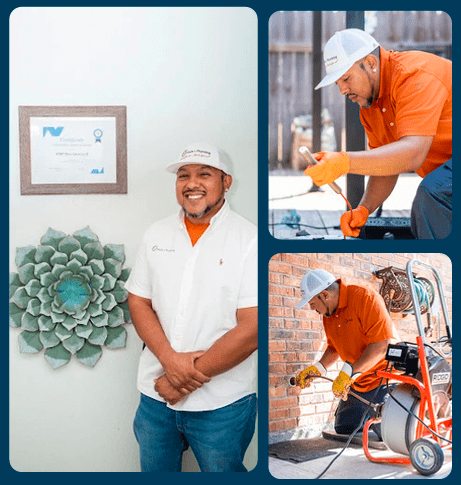

Trusted plumbing
services with care.
Our commitment to building trust and treating customers like family is what sets us apart. When you choose us, you’re not choosing just a plumber. We believe in delivering more than just expert plumbing services – we strive to provide a personalized experience for every customer. From the moment you contact us, our friendly team is dedicated to understanding your specific needs and providing solutions.