



Slab Leak Structural Damage: What's Really at Risk When a Leak Goes Unaddressed
Work With a Plumbing Company That Gets a Clogged Drain is a Business Problem
The Hidden Threat Beneath Your Arlington Home's Foundation
Your plumbing system could be leaking water, and you don’t even know it. The worst part is a hidden leak can end up creating the most structural damage.
A slab leak is easy to miss because the pipe is buried. The problem is out of sight. The home looks fine from the inside, but below the surface there’s a serious plumbing issue that isn’t going to go away.
When water escapes continuously beneath your home’s concrete foundation, it doesn’t just sit there. The ground beneath moves, saturates, erodes, and destabilizes. Over time, it attacks the very structural systems that hold your home up and together. What starts as a pinhole leak in an underground pipe can, if left long enough, compromise your foundation, crack your walls, buckle your floors, and create conditions for mold that threaten both the building and the people inside it.
This guide explains exactly what structural damage slab leaks cause, how to recognize the warning signs before the damage becomes severe, and why getting slab leak repair scheduled quickly is the single most important thing an Arlington property owner can do.
How a Slab Leak Causes Structural Damage
To understand the damage, it helps to understand the mechanics of why slab leaks occur. Your home’s concrete slab foundation was engineered to rest on stable, compacted soil. The soil beneath the slab distributes the weight of the home evenly, keeping the foundation level and the structure above it sound.
A leaking pipe beneath that slab introduces a constant source of water into that carefully balanced system. Depending on the soil type, volume of water, and duration of the leak, that water does one of two things (and sometimes both):
It erodes and washes away soil. Water moving through soil gradually displaces it, carrying particles away and leaving voids empty space beneath the slab. When the soil that was supporting the foundation disappears, sections of the slab lose their support and begin to sink, crack, or shift.
It causes soil to expand and heave. Certain soil types, particularly the expansive clay soils common throughout North Texas, swell significantly when saturated with water. This expansion pushes upward against the underside of the slab with tremendous force, causing it to lift and crack from below.
In either case, the result is a foundation that is no longer uniform, level, or stable. And when the foundation moves, everything above moves with it.
Types of Structural Damage Caused by Slab Leaks
Foundation Cracks and Settlement
The foundation itself is often the first structural element to show the effects of a prolonged slab leak. As eroding or shifting soil below moves, the slab develops cracks that range from hairline fractures that are easy to miss to wide, visible separations that signal significant movement.
Settlement cracks typically run diagonally from the corners of openings like doors and windows, following the path of least resistance as one section of the foundation drops relative to another. In more advanced cases, the slab may crack in multiple directions as different areas settle at different rates, creating an uneven surface that affects the entire structure above.
What makes foundation damage so serious is that it doesn’t stay contained. Every other structural system in the home depends on a level, stable foundation. When that foundation shifts, the damage propagates upward through the entire building.
Wall Cracks
Cracks in interior and exterior walls are among the most visible and frequently noticed signs of slab leak structural damage. When the foundation settles unevenly, the walls above it are pulled in different directions, one section may drop while another holds firm, creating shear forces the wall materials aren’t designed to handle.
The resulting cracks appear in characteristic patterns:
- Diagonal cracks running from the corners of door frames and window openings at roughly 45-degree angles are a classic indicator of differential settlement, and a strong warning sign that the foundation is moving.
- Stair-step cracks following the mortar joints of brick or masonry exteriors signal the same type of movement and are often one of the most visible exterior signs of foundation trouble.
- Vertical cracks in drywall or plaster may indicate expansion pressure from below, particularly when they appear suddenly or grow quickly.
- Horizontal cracks in foundation walls or basement walls are among the most serious, as they suggest lateral pressure against the wall, often from waterlogged, expanding soil.
Not every wall crack is a sign of a slab leak. Minor settling occurs in Arlington homes over time. But cracks that appear suddenly, grow over time, run in consistent patterns, or show up alongside other warning signs deserve serious investigation.
Doors and Windows That Stick or Won’t Close Properly
This is one of the most commonly overlooked early warning signs of foundation movement. When a slab shifts or settles unevenly, the door frames and window frames above it rack, meaning they go slightly out of square. Doors that previously swung open and shut smoothly suddenly stick, drag along the bottom, or won’t latch. Windows become difficult to open or close.
Homeowners often attribute this to humidity, seasonal wood swelling, or a house “settling.” Sometimes that’s the correct explanation. But when sticking doors or windows appear alongside other warning signs, particularly unexplained water bill increases, floor anomalies, or visible wall cracks, foundation movement from a slab leak is a serious possibility worth investigating.
Uneven, Buckled, or Damaged Flooring
Flooring problems are another direct consequence of slab movement and a water leak below. As the concrete slab shifts, cracks, or heaves, the flooring installed over it follows. It too cracks, separates, or lifts.
Tile floors develop cracks or pop loose from the slab as the surface beneath them shifts. Grout lines crack and crumble. Hardwood and laminate floors cup, buckle, or develop visible humps where the slab has heaved upward. Carpet may feel soft, spongy, or damp in areas where water is migrating upward through the slab.
In cases where the leak is significant, ongoing or there’s multiple leaks, visible moisture can seep up through the concrete and appear on the floor surface. This is a clear and urgent sign that water has been pooling beneath the slab for some time.
Gaps Between Walls, Floors, and Ceilings
As a home’s foundation shifts, the connections between structural elements begin to separate. Gaps appear where walls meet the floor, where interior walls meet the ceiling, or where baseboards pull away from the wall surface. Rooms that were once plumb and level begin to feel subtly, or obviously, off.
Crown molding may separate from the ceiling. Baseboards may pull free from the floor. In more advanced cases, entire wall sections may visibly lean or bow as the structural frame above a settling foundation adjusts to the new load distribution.
These gaps are not cosmetic issues. They are evidence that the structural frame of the home is being stressed beyond what it was designed to handle.
Mold, Moisture Damage, and Compromised Air Quality
Structural damage from slab leaks isn’t limited to cracking concrete and shifting walls. The prolonged moisture that accompanies an unaddressed underground water line leak creates ideal conditions for mold and mildew growth inside walls, beneath flooring, and in the soil itself beneath the home.
Mold degrades wood framing, subfloor materials, and drywall. It weakens structural elements while also creating a serious indoor air quality problem. Mold-related health effects range from respiratory irritation and allergy symptoms to more severe reactions, particularly in children, the elderly, and those with compromised immune systems.
The structural and health damage from mold can rival the cost of the plumbing repair itself, and in severe cases it requires professional remediation that adds significantly to the total cost of addressing a leak that was allowed to run unchecked.
Declining Structural Integrity is Always a Warning Sign
It’s worth emphasizing a point that’s easy to miss: the structural damage described above doesn’t just result from slab leaks. It can also be the first clear signal that a slab leak exists.
Many slab leaks are discovered not because the homeowner noticed an unusual water bill, but because they noticed a sticking door. Or a diagonal crack running from a window frame. Or a tile that suddenly cracked for no apparent reason. Or a gap between the baseboard and the floor that wasn’t there last year.
These signs are easy to dismiss individually. Homes shift. Materials age. But when these patterns appear together, especially alongside any of the plumbing warning signs like warm spots on the floor, the sound of running water, or reduced water pressure, they point unmistakably toward something happening at the foundation level.
If your home is showing any of these structural symptoms without a clear explanation, a slab leak inspection should be high on your list of next steps.
Why Waiting to Schedule Slab Leak Repair Can Lead to Serious Damage
Slab leaks don’t stabilize on their own. A pipe that is leaking will continue to leak, and in many cases the leak grows over time as the pressure of escaping water widens the breach and as surrounding soil movement puts additional stress on the pipe.
You always want to catch a slab leak early because every day an unaddressed slab leak continues, the damage compounds:
- The cost of water bills and energy bills if the leak is in a hot water line
- Soil erosion and void formation beneath the slab worsens, increasing the risk of sudden settlement
- Foundation cracks that begin small grow wider and longer as movement continues
- Wall and floor damage that starts as cosmetic deterioration becomes structural failure
- Moisture that accumulates in walls and under flooring enables mold growth that spreads through building materials
- Repair costs increase at every stage — what might have been a relatively contained plumbing repair becomes a plumbing repair plus foundation work plus mold remediation plus structural repairs
The only thing to do once a slab leak is suspected is to have a professional provide plumbing diagnostic services to get the problem identified and addressed.
Made's Plumbing: Expert Slab Leak Detection and Repair in Arlington, TX
Finding and fixing a slab leak correctly is complex, specialized work. An inaccurate diagnosis wastes time and money. An incorrect repair approach solves the immediate problem while leaving the underlying system vulnerable. And every day the work is delayed, the structural damage progresses.
The master plumbers at Made’s Plumbing have the training, experience, and specialized equipment to handle every aspect of this work for homeowners throughout the Arlington, TX area. From precise leak detection using electronic listening devices, thermal imaging, and pressure testing, to selecting and executing the right repair method for your specific situation, our team approaches each job with the expertise it demands.
If you’ve noticed structural warning signs don’t wait to find out what’s causing them. Contact Made’s Plumbing to schedule a thorough inspection. The sooner a slab leak is found, the sooner the damage stops, and the sooner your home is protected.
Contact Made’s Plumbing to Schedule a Slab Leak Inspection
FAQs: Arlington Emergency Plumbing Repairs
Find Out What You Need to Know About Professional Plumbing Services For Emergency Repairs
It’s important to have a trusted plumber that you can call at any time because you never know when a plumbing emergency will happen. And there are a number of situations that are true emergencies that can do serious damage to a home and endanger people. What are those situations? Get the answer to that and many other emergency plumbing questions in this comprehensive FAQ.
General Emergency Plumbing Repair FAQs
A plumbing emergency includes burst pipes, major leaks, sewage backups, overflowing toilets, loss of water, or any issue causing immediate property damage or safety concerns. If a tank or tankless water heater stops working that isn't considered a true emergency plumbing service. Hot water heater repairs need to be addressed quickly, but as long as you still have a water supply it's not an immediate need.
Yes, they can be. Many plumbing emergencies can cause structural damage, mold growth, electrical hazards, and health risks if not addressed quickly.
FAQs For Common Plumbing Emergencies
Turn off your main water supply immediately. Also, shut off electricity in affected areas if it's safe to do so, and call an Arlington plumber right away.
Immediately turn off the water supply valve behind the toilet. Also, avoid flushing it again. Call a plumber for toilet repair if it continues to overflow.
Sewage backups are usually caused by severe clogs, tree root intrusion, or main sewer line damage. All of these situations require immediate professional service.
Check your main shutoff valve and contact a plumber immediately, as this could indicate a serious leak or supply line issue.
FAQs About Service & Response For Emergency Plumbing Problems
Response times vary, but Made’s Plumbing prioritizes emergency calls and strives to provide fast, same-day service whenever possible.
Typically, yes. Many plumbers offer emergency services outside of normal business hours, including nights, weekends, and holidays because we understand plumbing emergencies can happen at any time.
Repair time depends on the issue, but many emergencies can be stabilized within a few hours to prevent further damage. For example, fixing an exposed pipe that has burst is quicker than having to perform water leak detection and sewer line repair. Sewer line replacement can require more time.
Emergency Plumbing Repair Cost and Prevention FAQs
Emergency services may cost more due to urgency and after-hours service calls. However, immediate repairs can prevent more expensive damage, so it's worth it to get an emergency plumber onsite quickly.
Regular maintenance, inspections, and addressing minor issues early can significantly reduce the risk of major plumbing emergencies.
Shut off the main water supply if possible, then avoid using plumbing fixtures before contacting a licensed plumber immediately.
FAQs About Made's Emergency Plumbing Services in Arlington, TX
Our plumbing company provides a wide range of emergency plumbing services in Arlington, TX, including burst pipe repair, severe leak repair, clogged drain emergencies, sewage backups, water heater failures, and urgent plumbing repairs. While at your property we can also do a full plumbing system inspection to look for other issues that could become an emergency, and provide essential maintenance like drain cleaning to prevent future problems.
Yep. Made’s Plumbing offers prompt, reliable emergency plumbing service in Arlington, TX and can often respond the same day to urgent situations.
You bet we do! Made’s Plumbing is a premier service provider for homeowners throughout Arlington, TX. We're located right here in the city, which makes it easy for us to get to an emergency plumbing job quickly.
Still have questions about plumbing system emergencies? The team at Made's Plumbing can answer any questions that Arlington homeowners have about their home's plumbing system.
You can also call us to schedule services for plumbing diagnostics and maintenance to prevent issues from becoming emergencies.
Contact Made’s Plumbing right away if you experience emergency plumbing issues in Arlington.
Drop Us a Line!



TRUSTED ACROSS THE DFW AREA
A company built on trust and values
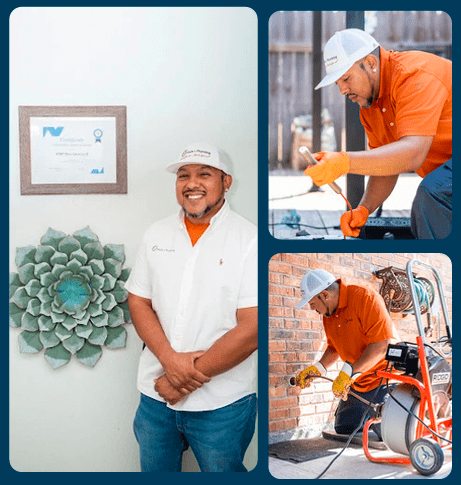

Trusted plumbing
services with care.
Our commitment to building trust and treating customers like family is what sets us apart. When you choose us, you’re not choosing just a plumber. We believe in delivering more than just expert plumbing services – we strive to provide a personalized experience for every customer. From the moment you contact us, our friendly team is dedicated to understanding your specific needs and providing solutions.